The Health Check Project, a campaign themed “Screening Saves Life” run by Didi Bahini Samaj Victoria (DBSV) from July 2024 to September 2024, aimed to improve awareness and access to preventive healthcare within the Nepalese community in Melbourne. The Nepalese community is one of the fastest-growing migrant groups in Victoria, with a diverse cultural background. While younger generations are adapting to the Australian lifestyle, many older community members maintain strong ties to traditional values, language, and customs, which can create barriers to healthcare access.
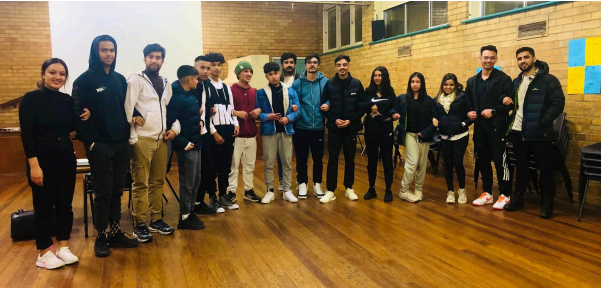
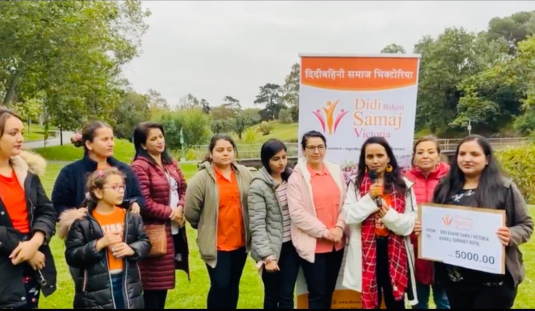
Through this campaign, we successfully engaged 242 men and women aged 20 to 73 across multiple locations, including Glenroy, Craigieburn, Wyndham (online), Lalor, Thomastown, Vermont, Knox, and Aintree. Our approach was inclusive, reaching different cohorts such as young women’s groups, women's groups, and older mixed groups, including illiterate men and women.
The project involved community consultations to identify healthcare challenges, followed by interactive awareness sessions to address fears and misconceptions about cancer screening. Key activities included group discussions, creative poster designs, role-playing exercises, and the co-design of promotional messages for broader community engagement. A significant achievement of the campaign was supporting 108 women in accessing breast screening mammograms through our partnership with BreastScreen Victoria. The campaign’s success highlights the importance of community-driven initiatives in breaking barriers and encouraging proactive healthcare participation
1. Description of the communities
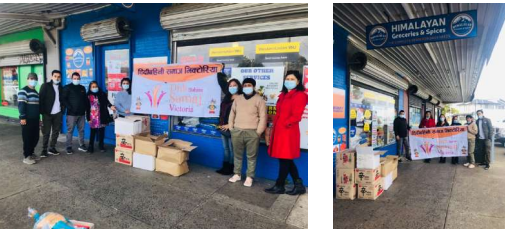
We worked with the Nepalese community living in various locations in Melbourne Victoria. The Nepalese community in Melbourne is one of the fastest-growing migrant communities, with significant cultural diversity. While the younger generation is increasingly adapting to the Australian lifestyle, many in the older generation maintain strong ties to traditional values, language, and customs. Like other migrant communities, they face challenges related to integration and healthcare access. Through this Health Check campaign, we successfully completed community consultations and awareness sessions for seven diverse community groups, engaging 242 men and women, aged between 20 and 73. The program was conducted across multiple locations in Melbourne, targeting various cohorts to address their unique needs and concerns. Locations included Glenroy, Craigieburn, Wyndham (via online sessions), Lalor, Thomastown, Vermont, Knox, and Aintree.
2. Summary of campaign activities
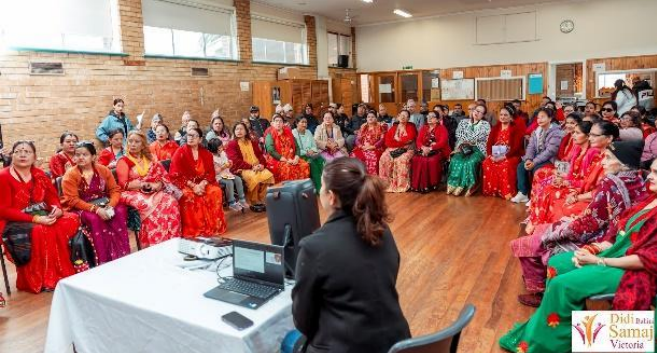
First, we conducted community consultations to identify the fears and challenges the Nepalese community faces in accessing available cancer screening programs (these identified needs were outlined in the previous mid-review report). Following this, we organized community awareness sessions targeting different groups to address their specific fears, obstacles, and concerns regarding cancer screening.
During these sessions, we employed highly interactive and participatory methods to co-design messaging that would motivate participants to address their issues and engage in cancer screening. Activities included small group discussions, creative poster designs, and practical role-play exercises for awareness, and the community helped to design promotional messages for shopping bags, which we planned to print and distribute to participants to promote cancer screening in the broad community.
Most notably, in partnership with BreastScreen Victoria, we supported 108 women in accessing breast screening services at various locations in Melbourne. The feedback from participants and the broader community has been overwhelmingly positive. Additionally, two more group bookings are scheduled in the coming days.
Acknowledgement
We extend our heartfelt gratitude to the Australian Multicultural Health Collaborative for their invaluable guidance and support throughout the Health Check Project. Their expertise and commitment to improving healthcare access for multicultural communities have been instrumental in shaping our approach and ensuring the success of this initiative. Also for their generous grant, which enabled us to carry out this important work. Their funding allowed us to conduct community consultations, organize awareness sessions, and develop culturally appropriate health promotion materials, ensuring that the message of early detection and screening reached those who needed it most.
We also sincerely thank BreastScreen Victoria for their partnership and unwavering support in facilitating group bookings and ensuring that women from the Nepalese community could access life-saving breast screening services. Their collaboration has been critical in overcoming barriers and encouraging preventive healthcare participation.
We deeply appreciate the contributions of our DBSV volunteers, who played a vital role in coordinating sessions, supporting participants, and guiding women through the screening process. Their dedication and hard work were fundamental in making this project a success.
Lastly, we are immensely grateful to the community members who participated in the consultations and awareness sessions. Their openness, willingness to share experiences and commitment to taking charge of their health have made a significant impact. This project was a collective effort, and its success is a testament to the power of community collaboration in improving health outcomes.